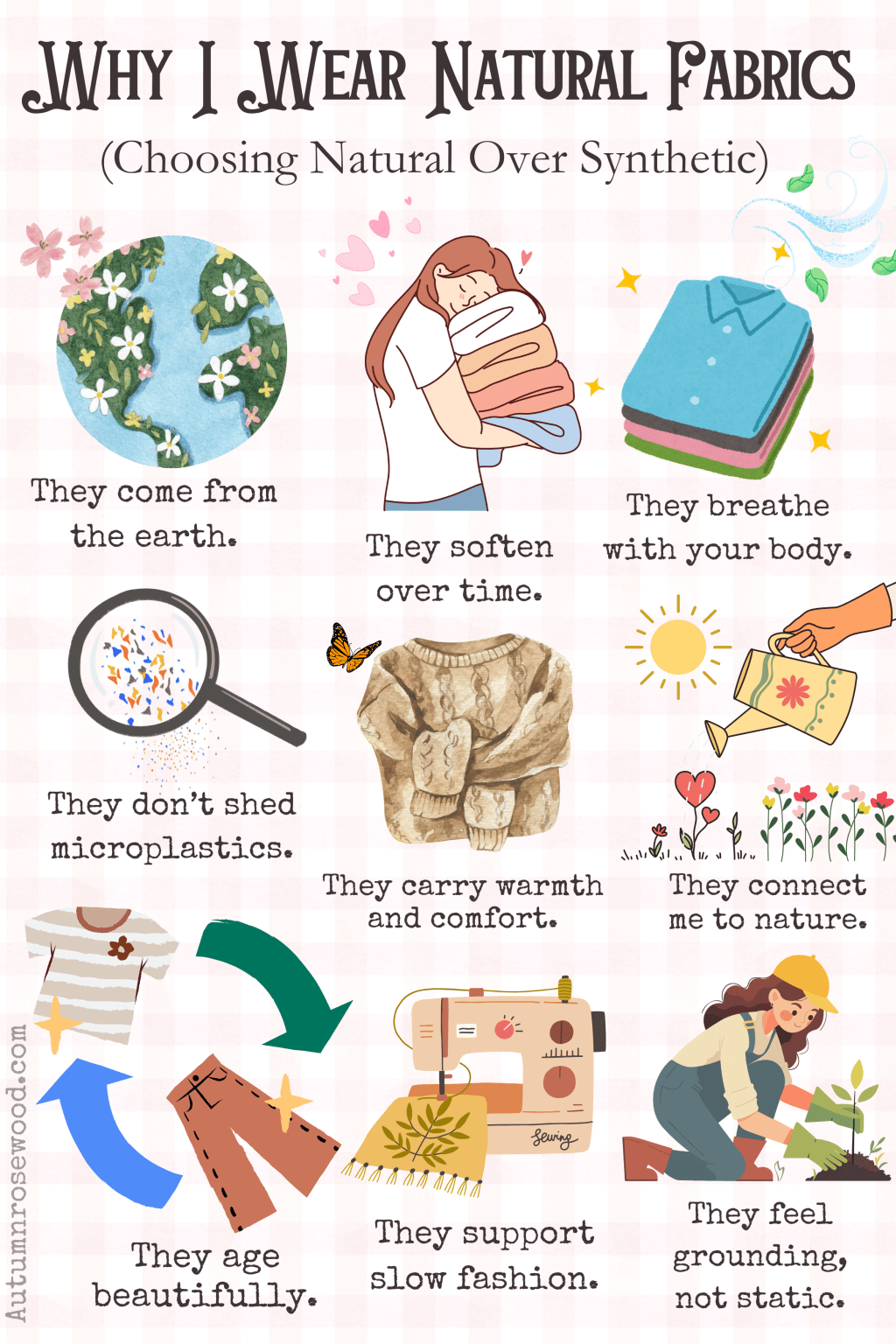
I used to slip on whatever was clean and convenient, without giving much thought to what it was made of. Polyester, rayon, spandex blends… they filled my closet without much question. But over time, I started to notice a quiet discomfort. The fabrics didn’t breathe. They clung to my skin. They held static, trapped odor, and made me feel strangely disconnected.
It wasn’t just physical, it was something deeper. Like the clothes didn’t carry any warmth. Any soul.
That’s when I began to learn about what our clothes are really made of, and why it matters.
What Is Polyester Made From?
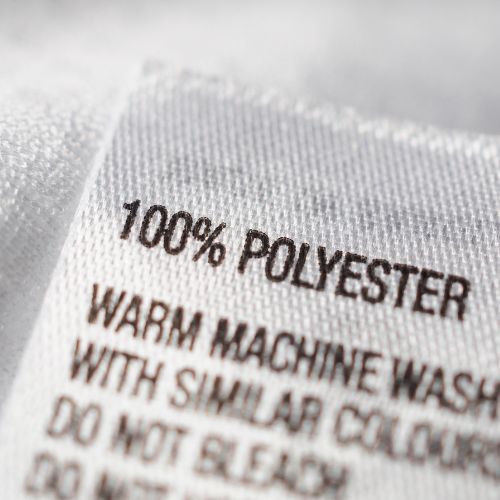
Polyester is a synthetic fabric created from petroleum. In essence, it’s a type of plastic. It’s made in factories through chemical processes, and while it’s durable and inexpensive, it’s far from natural.
When you wear polyester, you’re essentially wrapping your body in a material that has no roots in nature. It doesn’t breathe. It doesn’t soften with time. And unlike linen or cotton, it doesn’t connect to the cycles of life or the living world.
The Energy of What We Wear
In holistic traditions and slow-living circles, many people believe that the materials we surround ourselves with carry energy. Natural fabrics, like linen, cotton, wool, and silk, come from living sources. They breathe. They respond to the seasons. They age gently with use.
These fibers are believed to:
- Support natural energy flow
- Allow the skin to breathe
- Connect us to the earth and its rhythms
Synthetic fabrics, by contrast, are often described as energetically stagnant. They don’t shift with your body’s temperature. They hold static electricity. And many people feel more restless or less grounded when wearing them all day long.
Polyester’s Environmental Footprint
There’s also a bigger picture to consider. Polyester is not biodegradable. Every piece of polyester clothing ever made is still sitting somewhere in the world today, often in landfills or oceans.
Each wash releases microplastics into our waterways. These tiny particles can’t be filtered out and end up in marine life, our drinking water, and even the air we breathe. Over time, the convenience of synthetic fabric becomes a quiet burden on the planet.
Choosing natural fibers isn’t just good for your body, it’s a gentle act of care for the earth.
Why Natural Fabrics Feel Different
Once you start wearing natural fibers, you feel the difference immediately.
- Linen is breathable, light, and crisp in warm weather
- Cotton is soft, comforting, and perfect for everyday wear
- Wool is insulating and cozy, keeping you warm even when it’s damp
- Silk glides across the skin and holds warmth without heaviness
These fabrics have history. They’ve clothed generations before us, long before the invention of synthetic materials. There’s a reason they’ve stood the test of time.
Dressing With Intention
When we talk about slow living, mindfulness, or reconnecting with nature, clothing is often left out of the conversation. But what we wear touches us from morning to night. It becomes part of our rhythm.
Natural fabrics invite us to slow down. To choose less, but better. To treat clothing as something meaningful, not disposable.
And when we begin to dress in harmony with nature, something subtle shifts. We feel more grounded. More connected. More ourselves.
Getting Started
If this speaks to you, you don’t need to overhaul your wardrobe overnight. Start with a favorite piece: a cotton nightgown, a linen apron, a thrifted wool cardigan. Pay attention to how it feels. Notice how you move in it, breathe in it, live in it.
Little by little, choose fabrics that support the kind of life you want to live, one rooted in softness, simplicity, and care.
-Autumn
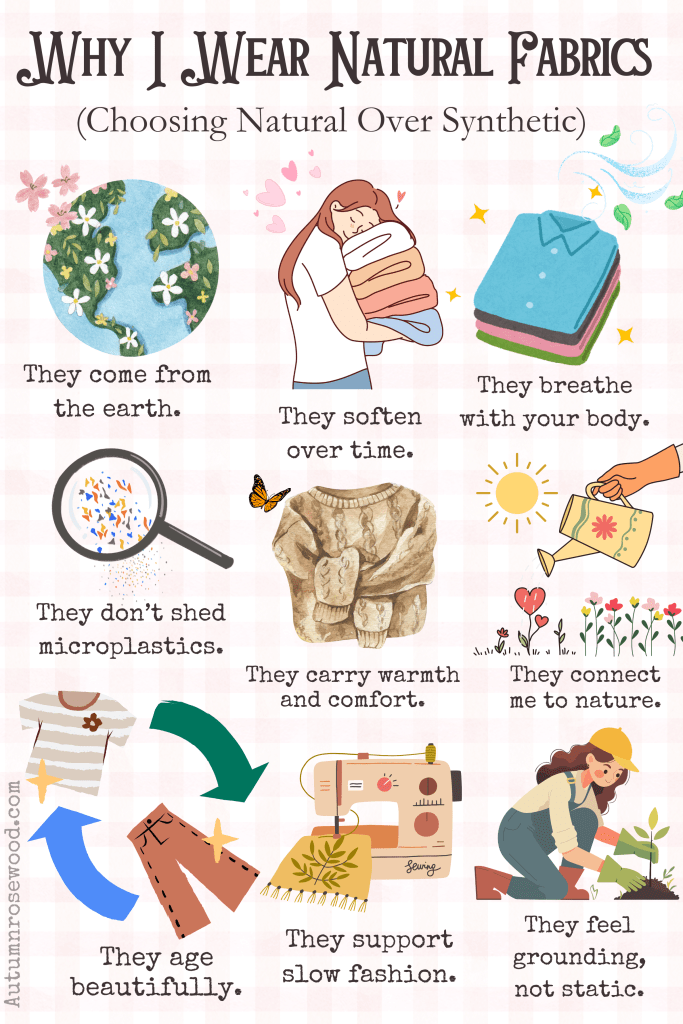
If you enjoyed this post, you might love my book The Cottagecore Project. It’s a cozy, heartfelt guide to living more gently, through nature, rhythm, and handmade beauty. It’s filled with stories, tips, and inspiration for creating a life that feels like home.
→ [Link to buy or learn more]


 Autumn Rosewood
Leave a comment